
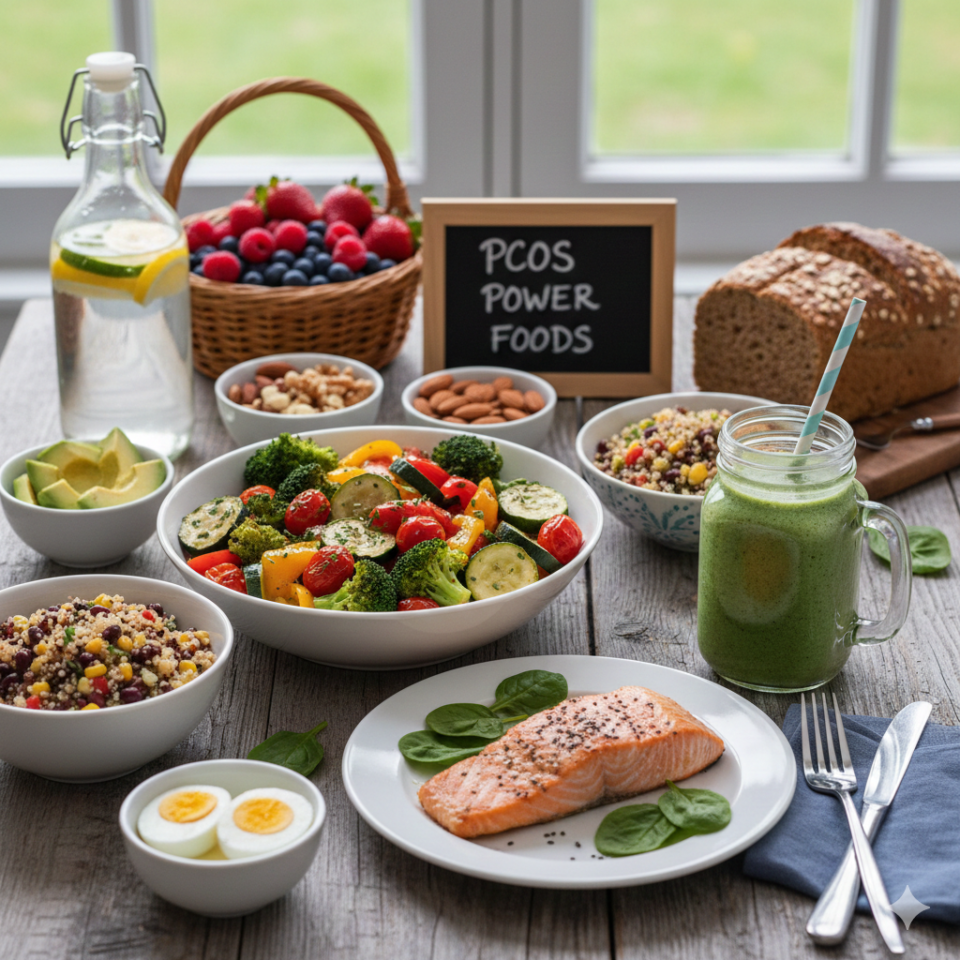
Living with Polycystic Ovarian Disease (PCOD) can feel like a constant battle with your own body. From irregular periods and acne to sudden weight gain, the symptoms are often frustrating. However, the most powerful weapon you have to manage these symptoms is right on your plate.
A well-planned PCOD diet food chart isn’t just about cutting calories; it is about choosing the right fuel to regulate your insulin levels and hormones. This guide will break down exactly what to eat, what to avoid, and provide a sample meal plan to help you take control of your health naturally.
Also read – Top 16 Immunity Boosting Breakfasts
How to Manage Sugar Cravings on a PCOD Diet
One of the hardest parts of following a PCOD diet food chart is dealing with intense sugar cravings. This isn’t just about “willpower”—it is biology. When your insulin levels are high, your body craves quick energy (sugar).
To beat this, never let yourself get too hungry. Large gaps between meals cause your blood sugar to crash, leading to binge eating later. Try to eat every 3 to 4 hours. Additionally, ensure you are drinking enough water. Often, our bodies confuse thirst with hunger. If you feel a craving coming on, drink a glass of water and wait 10 minutes. If you still need something sweet, opt for a date or a piece of fruit paired with a few almonds. The fiber and fat will slow down the sugar absorption, keeping your hormones happy.
Why Diet Matters for PCOD
PCOD is fundamentally linked to insulin resistance. When your body doesn’t process insulin correctly, it stores more fat and causes your ovaries to produce excess androgens (male hormones). This is why a standard “low-calorie” diet often fails for PCOD warriors. Instead, you need a diet that focuses on a Low Glycemic Index (GI)—foods that keep your blood sugar stable rather than spiking it.
The Ultimate PCOD Diet Food Chart
To make things simple, we have categorized foods into “Green Light” (Best to Eat) and “Red Light” (Best to Avoid).
1. Carbohydrates & Grains
Many people think carbs are the enemy, but you just need the right ones. Complex carbohydrates digest slowly and keep you full longer.
- Eat This: Whole oats, brown rice, quinoa, buckwheat, barley, and millets (like Ragi or Jowar).
- Avoid This: White bread, maida (refined flour), white pasta, sugary cereals, and instant noodles.
2. Fruits and Vegetables
Fiber is your best friend when fighting PCOD. It acts like a sponge, absorbing sugars and helping balance hormones.
- Eat This: Leafy greens (spinach, kale), broccoli, cauliflower, berries (strawberries, blueberries), apples, pears, and papaya.
- Avoid This: Starchy vegetables in excess (like potatoes) and high-sugar fruits like canned fruits in syrup.
3. Protein Sources
Protein is crucial for metabolic health. It prevents muscle loss and keeps sugar cravings at bay.
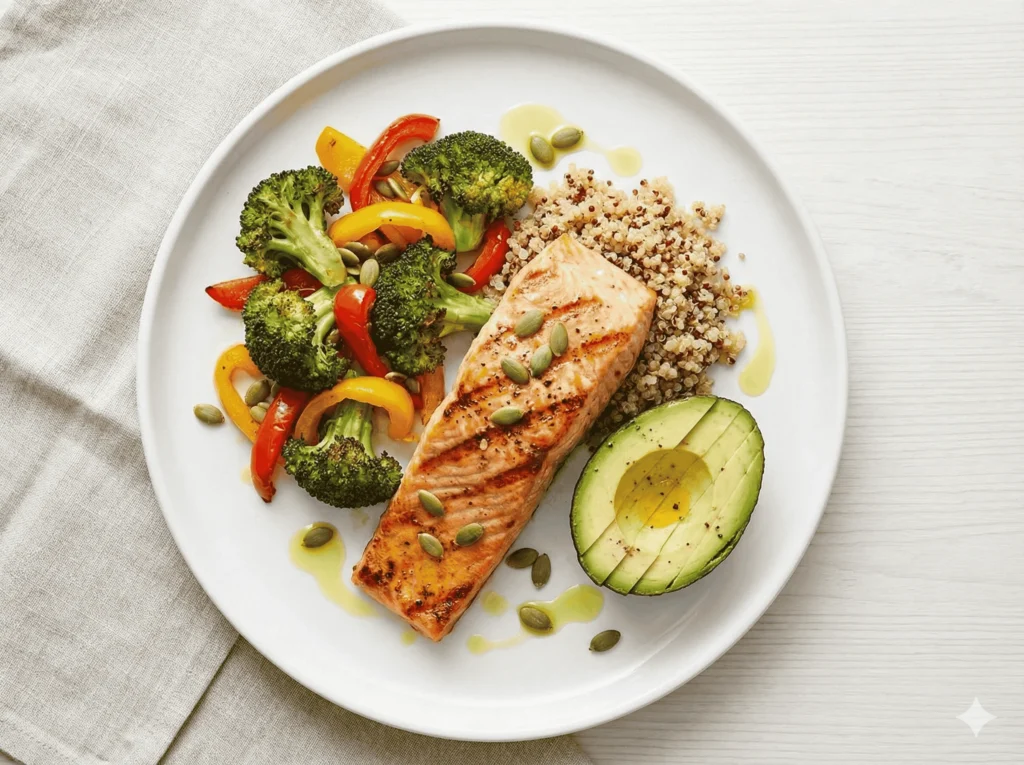
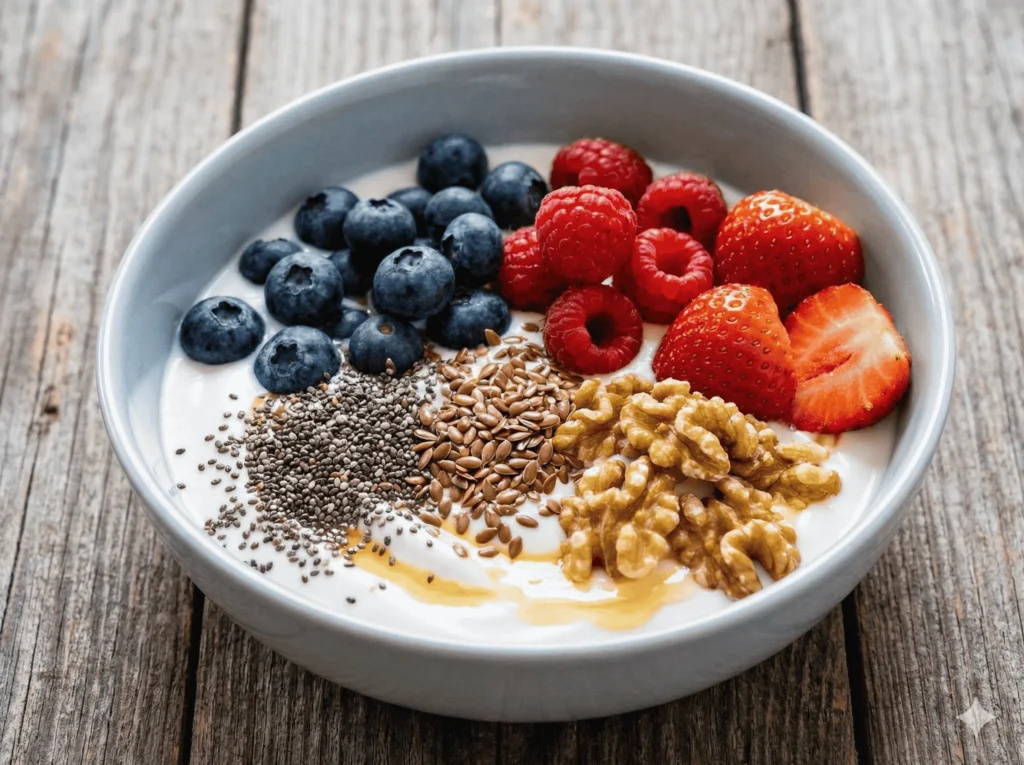
- Eat This: Lentils (Dal), chickpeas (Chana), kidney beans (Rajma), eggs, chicken breast, fish (rich in Omega-3), and tofu.
- Avoid This: Processed meats (sausages, salami), red meat with high saturated fat, and fried meats.
4. Fats and Seeds
Healthy fats are essential for producing hormones. Do not fear fat; just choose the natural kind.
- Eat This: Walnuts, almonds, flax seeds, chia seeds, pumpkin seeds, olive oil, and avocado. Tip: Seed cycling is a popular natural remedy for PCOD.
- Avoid This: Refined vegetable oils (sunflower/soybean oil), trans fats found in biscuits, and margarine.
5. Dairy
Dairy is a controversial topic in the PCOD community. For many, the hormones in dairy can trigger acne and insulin spikes.
- Eat This: Plant-based milks (almond, soy, oat) or limited amounts of fermented dairy like Greek yogurt or buttermilk.
- Avoid This: Full-fat cream milk and sweetened yogurts.

Sample 1-Day PCOD Meal Plan (Indian Style)
Here is how you can apply the PCOD diet food chart to a real day of eating.
- Early Morning: Warm water with lemon or soaked fenugreek (methi) water.
- Breakfast: Vegetable Poha (with lots of peas and carrots) OR Oatmeal with chia seeds and almonds.
- Mid-Morning Snack: A small bowl of papaya or a handful of walnuts.
- Lunch: 1 cup Brown Rice or 2 Ragi Rotis + 1 bowl Dal + 1 bowl green vegetable (Sabzi) + Salad.
- Evening Snack: Green tea + Roasted Makhana (Fox nuts) or roasted chana.
- Dinner: Grilled Chicken or Tofu stir-fry with vegetables. Keep dinner light and eat it at least 2 hours before bed.
FAQ: Common Questions About PCOD Diets
1. Can I eat rice if I have PCOD?
Yes, but portion control is key. Switch to brown rice or red rice because they have more fiber. If you eat white rice, pair it with a lot of fiber-rich vegetables and protein to lower the glycemic load.
2. Is fasting good for PCOD?
Intermittent fasting can be effective for some women with PCOD as it improves insulin sensitivity. However, always consult a nutritionist before starting, as long fasting windows can stress hormones in some individuals.
3. Which fruits should I avoid?
Try to limit fruits with a very high glycemic index, such as overripe bananas, chikoo (sapota), and mangoes. You can still eat them, but in small quantities and never on an empty stomach.

Conclusion
Reversing PCOD symptoms is a journey, not a sprint. By sticking to this PCOD diet food chart and prioritizing whole, unprocessed foods, you are sending a signal of safety and health to your body. Remember, consistency is more important than perfection. Start with small changes today, like swapping your white rice for brown or adding a salad to every meal, and watch how your body responds.